
Tyre Pressure, Tread Depth, and Seasonal Rotation
Keep your tyres in top condition with proper pressure monitoring, depth checks, and rotation schedules

Why Tyre Maintenance Matters
Your tyres are literally where your car meets the road. They're the only contact point between 1.5 tonnes of metal and the asphalt beneath you. That's why proper tyre care isn't just maintenance — it's a safety issue. You'll notice a real difference in handling, fuel efficiency, and stopping distance when your tyres are properly maintained. We're talking about the difference between a controlled stop and a skid in wet conditions.
Most drivers don't think about their tyres until something goes wrong. But spending 10 minutes every month checking pressure and tread depth can save you hundreds in premature wear and prevent dangerous situations on the road.

01
Understanding Tyre Pressure
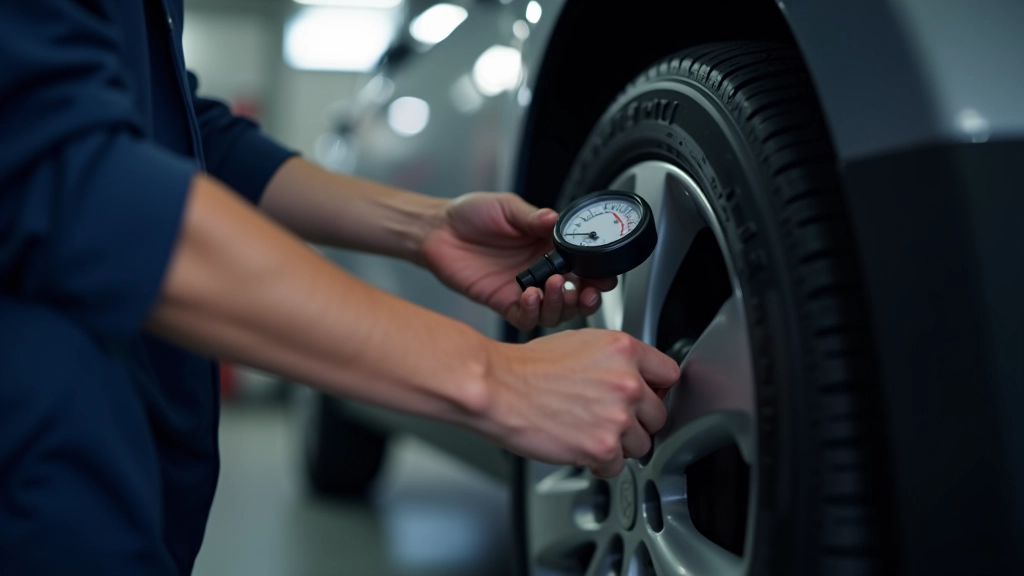
Tyre pressure isn't something you check once and forget about. It changes with temperature, driving conditions, and how much load your car's carrying. In Ireland, where temperatures fluctuate between winter lows and summer highs, you're looking at pressure swings of 3-4 PSI across seasons.
Your car's correct tyre pressure isn't written on the tyre itself — that number's the maximum safe pressure. You'll find the correct pressure for your specific vehicle on a label inside the driver's door jamb, or in your owner's manual. Most modern cars run between 30-35 PSI, but it varies. Under-inflated tyres create more rolling resistance, which burns fuel and generates heat. Over-inflated tyres wear faster in the centre and give you a harsher ride.
Monthly Pressure Check Routine
- Check when tyres are cold (before driving or 3+ hours after)
- Use an accurate gauge — digital ones cost €5-10
- Adjust if pressure is off by more than 2 PSI
- Don't forget the spare tyre
02
Measuring Tread Depth Safely

Tread depth is what keeps your tyres gripping the road, especially in wet conditions. Water needs somewhere to go — that's what tread does. As your tyres wear down, water can't escape, and you lose traction. This is aquaplaning, and it's terrifying.
In the UK and Ireland, the legal minimum is 1.6mm across the central three-quarters of the tyre. But here's the thing — your stopping distance increases noticeably once you drop below 3mm. Insurance companies take note of this. If you're in an accident with worn tyres, it can affect your claim.
The Penny Test (Quick Method)
Take a 1p or 2p coin and push it into the tread groove with the Queen's head first. If you can see the top of her head, your tread's below 2mm and you need new tyres. Simple, costs nothing, and it actually works.
For more precise measurements, grab a tread depth gauge (€3-8) from any motor factors. Check at least four spots on each tyre — outer edge, inner edge, and two in the middle. Tyres don't wear evenly, so you need to check properly.
03
Why Rotation Extends Tyre Life
Your front and rear tyres wear differently. Front tyres carry more of the car's weight during braking and steering, so they wear faster — typically 1.5 to 2 times faster than rear tyres. If you never rotate them, you'll replace the fronts while the rears are still decent.
Rotating your tyres every 10,000 to 12,000 kilometres equalizes this wear. It's not complicated. Most garages charge €30-50 for a rotation, and it takes maybe 20 minutes. You're essentially moving your front tyres to the back where they wear slower, and moving your back tyres to the front. This way, all four tyres wear down at roughly the same rate, and you can replace them all together instead of doing it piecemeal.
Standard Rotation Pattern (Front-Wheel Drive)
Left front → Right rear. Right front → Left rear. Left rear → Right front. Right rear → Left front. This cross pattern prevents uneven wear and keeps your car handling balanced.
Seasonal Considerations for Irish Roads
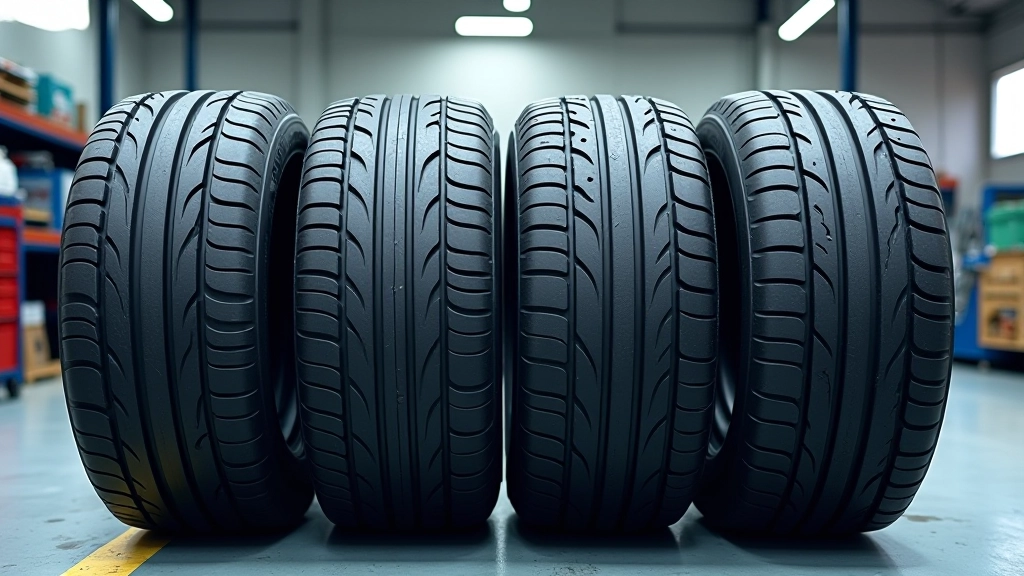
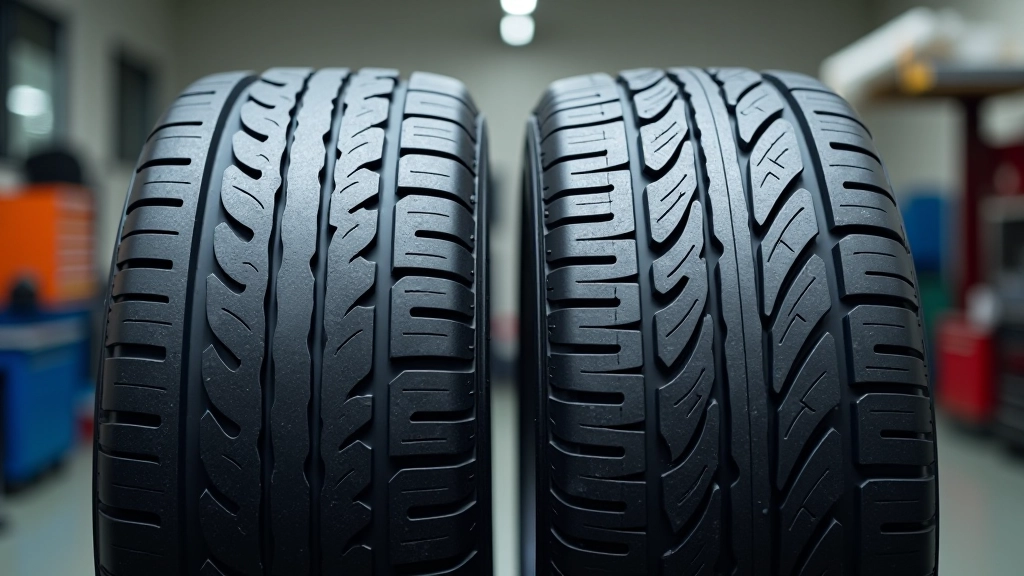
Ireland's weather is unpredictable. You might have frost in the morning and rain by afternoon. Summer tyres harden in cold weather and lose grip. Winter tyres stay flexible when it's cold but wear faster in summer heat. That's why many Irish drivers switch between summer and winter tyres.
Winter tyres have more sipes (tiny cuts in the tread) that bite into snow and ice. They're designed for temperatures below 7°C. If you're driving in these conditions with summer tyres, you're genuinely at risk. It's not just about passing an NCT — it's about getting home safely.
When you switch tyres seasonally, that's an ideal time to check everything — pressure, tread, damage. It becomes part of your routine. Mark it on your calendar: autumn switch around October, spring switch around March. Your future self will thank you when you're not stranded in a winter storm with bald tyres.
Important Note
This guide provides general educational information about tyre maintenance. While we've aimed to be accurate, specific advice should come from a qualified mechanic who can inspect your vehicle in person. Tyre requirements and regulations can vary based on your vehicle type, local weather patterns, and current Irish road safety standards. If you're uncertain about your tyres' condition, visit a professional garage for inspection. Your safety depends on it.
Keep Your Tyres Working for You
Tyre maintenance doesn't require specialist knowledge or expensive equipment. A monthly pressure check, quarterly tread measurement, and regular rotation is genuinely all you need. These simple habits will extend your tyre life by thousands of kilometres, improve your fuel efficiency, and most importantly, keep you safer on Irish roads.
The cost of prevention is tiny compared to the cost of replacement or worse — an accident because your tyres couldn't grip. Make it routine. Check your pressure when you fill up with petrol. Measure tread when you rotate. It'll take you 15 minutes a year, and it's time well spent.
Explore More Car Maintenance Guides
Learn about other essential maintenance tasks to keep your vehicle safe and reliable
View All GuidesRelated Articles