

Car Maintenance Basics for Irish Drivers
Learn essential skills to keep your vehicle roadworthy and NCT-ready
What You'll Learn
Master the essential maintenance skills every Irish driver needs
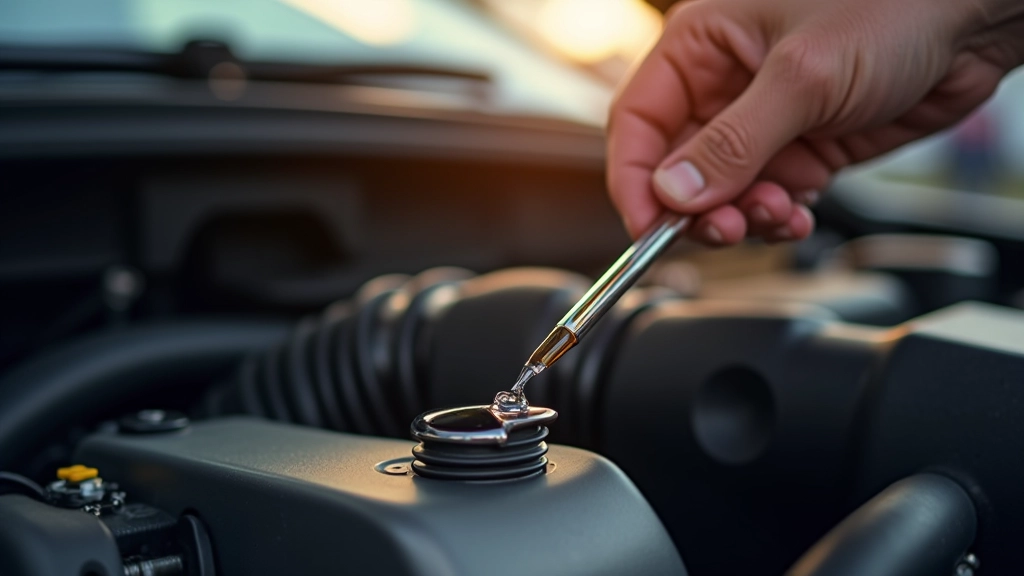
Oil Changes & Fluid Checks
Understand intervals, check levels safely, and know which fluids matter most

Tyre Maintenance & Rotation
Monitor pressure, measure tread depth, and rotate seasonally for longevity
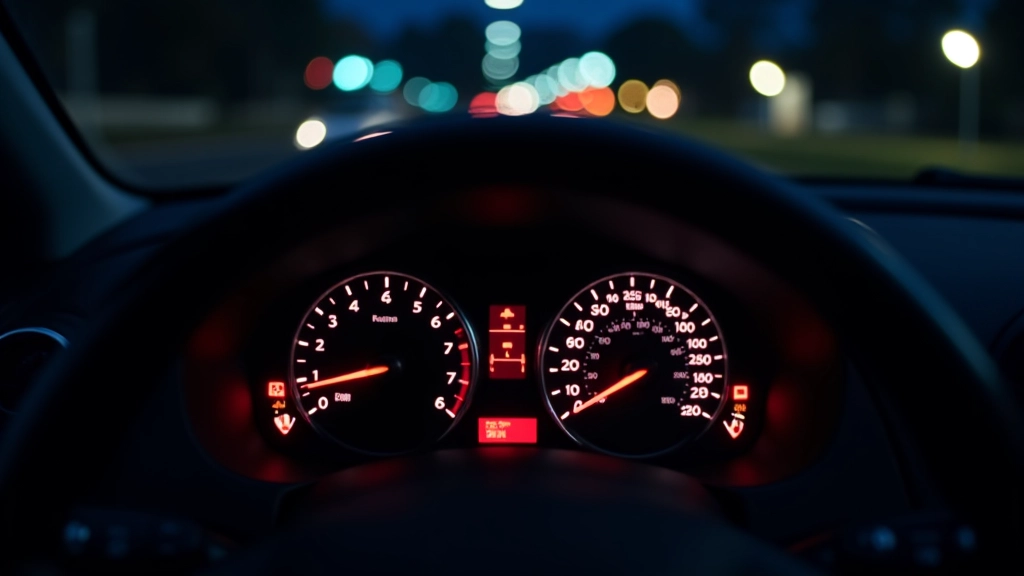
Dashboard Warning Lights
Decode warning meanings and know when to visit a mechanic immediately
Why Maintenance Matters
Regular care prevents expensive repairs and keeps you safe on Irish roads
Safety First
Properly maintained vehicles are safer. Tyres grip better, brakes respond faster, and fluids keep everything running smoothly. You're protecting yourself and others.
Pass Your NCT
Know what inspectors check. We cover the exact NCT roadworthiness checklist so you won't be caught off guard. It's not complicated — just organized knowledge.
Save Money Long-Term
Small regular maintenance costs far less than major repairs. An oil change now beats an engine rebuild later. Prevention is always cheaper.
Drive with Confidence
When you understand your vehicle, you're not worried about strange noises or warning lights. You'll know what's serious and what's routine.
Car Maintenance Basics for Irish Drivers
Oil Changes and Fluid Level Checks
Learn when to change your oil, how to check levels safely, and why different fluids matter for your engine's health.
Read Full Guide
Tyre Pressure, Tread Depth, and Seasonal Rotation
Understand how to maintain proper tyre pressure, measure tread depth safely, and why rotating your tyres extends their life significantly.
Learn More
Dashboard Warning Lights Explained
Decode what each warning light means, which ones need immediate attention, and when you should visit a mechanic instead of panicking.
Explore GuideNCT Preparation and Roadworthiness
Follow the complete NCT checklist to ensure your vehicle meets all roadworthiness requirements for your test date.
View ChecklistYour Maintenance Journey
Follow these steps to develop your car care skills
Understand the Basics
Learn what fluids your car needs and how often they're checked. It's simpler than you think.
Check Regularly
Get comfortable with basic checks — oil level, tyre pressure, tread depth. Monthly is ideal.
Know When to Visit
Recognize warning signs and dashboard lights. You'll know what's urgent and what can wait.
Stay NCT-Ready
Use our checklist before your test date. You'll know your vehicle is roadworthy.
Explore More
Navigate our complete resource library
Frequently Asked Questions
How often should I check my oil?
Most cars need an oil level check monthly or before long journeys. It's quick and simple — just pull the dipstick, wipe it, reinsert, and check the level. If it's low, top it up with the correct grade for your vehicle.
What's the correct tyre pressure for my car?
You'll find the correct pressure in your vehicle manual or on a sticker inside the driver's door. Check pressure when tyres are cold (before driving). Under-inflated tyres wear faster and use more fuel. Over-inflated ones give a rougher ride and may wear unevenly.
What does the red warning light mean?
Red warning lights are serious and usually mean you should stop driving soon. They often indicate oil pressure issues, engine temperature problems, or brake system faults. Pull over safely, check your manual, and contact a mechanic if you're unsure.
How can I prepare for my NCT?
We've got a complete checklist covering everything inspectors look for — lights, brakes, tyres, emissions, and more. Check everything systematically a few weeks before your test date. If you spot issues, get them fixed early rather than rushing at the last minute.
How do I measure tyre tread depth?
The penny test is easiest — push a penny into the tread. If you can see the top of Lincoln's head, your tread is too worn. The legal minimum in the UK and Ireland is 1.6mm, but we'd recommend replacing at 3mm for better safety, especially in wet weather.
What fluids besides oil does my car need?
Most cars need coolant (for temperature control), brake fluid, power steering fluid, and windscreen washer fluid. Your manual lists all of them and how to check each one. Levels matter — low coolant can cause overheating, low brake fluid affects stopping power.