Dashboard Warning Lights Explained
Decode what each warning light means, which ones need immediate attention, and when you should visit a mechanic instead of panicking.

Why Dashboard Lights Matter
Your car's dashboard is trying to communicate with you. When those little lights pop up, they're not just random signals — they're your vehicle's way of saying something needs attention. Some lights mean "pull over now," while others simply mean "get this checked at your next service." The key is knowing the difference.
We'll break down the most common warning lights you'll encounter on Irish roads, what they actually mean, and what you should do when they appear. This isn't complicated stuff — once you understand the basics, you'll feel way more confident behind the wheel.
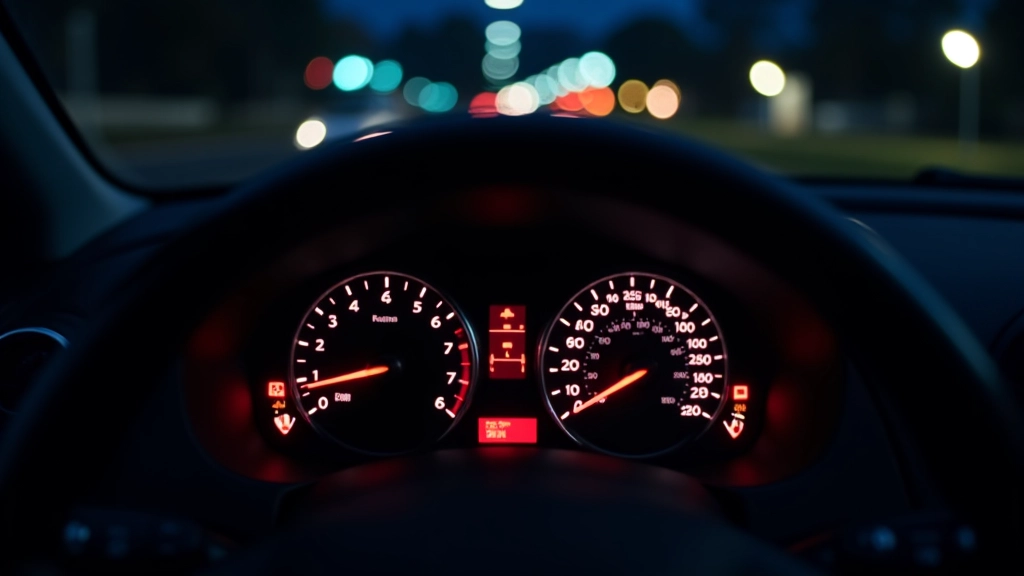
Red Lights: Stop Immediately
Red warning lights are serious. They mean your vehicle has a problem that could cause damage or create a safety risk. When you see a red light, you shouldn't ignore it — pull over safely and either call a mechanic or head straight to one.
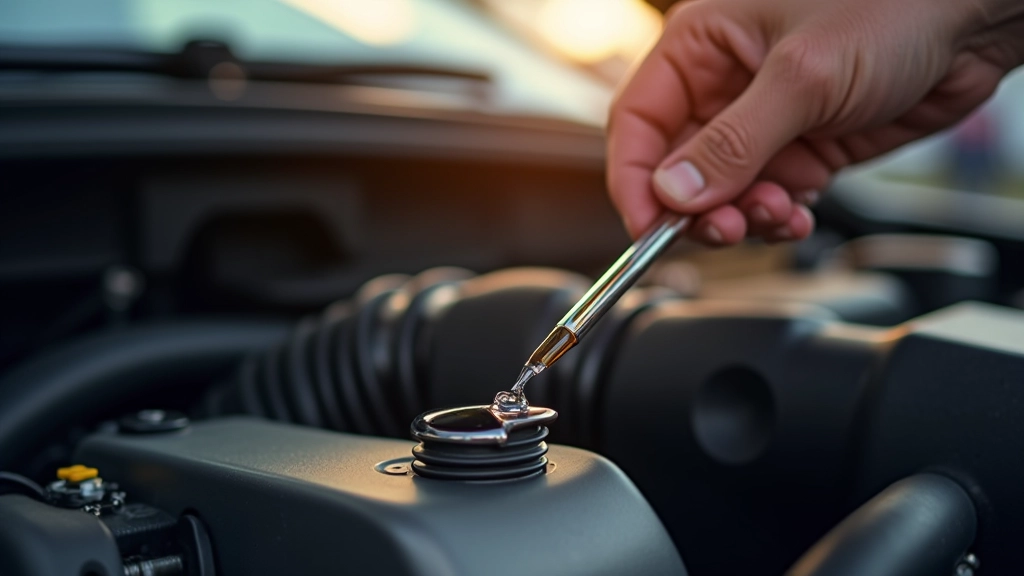
The engine oil pressure light looks like an old-fashioned oil can. This one's important because low oil pressure can destroy your engine in minutes. You might notice it flickering at red lights or when idling. Stop driving, check your oil level, and top it up if needed. If the light stays on after adding oil, get professional help immediately.
The brake warning light (a circle with an exclamation mark) means your braking system isn't working properly. This isn't something to take chances with. Pull over safely, check your brake fluid level if you can, and get to a garage. Don't drive far with this light on.
Engine overheating (thermometer symbol) is another red alert. Your coolant is too hot. Turn off the air conditioning, head to a safe spot, and let the engine cool down. Don't keep driving — overheating causes serious engine damage.
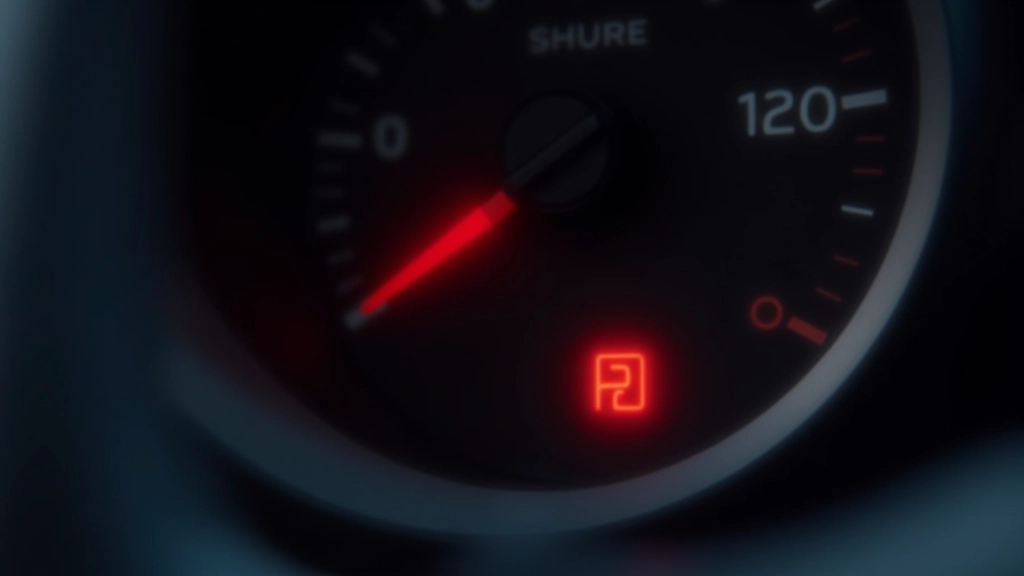
Amber Lights: Get Checked Soon
Amber or yellow lights are different from red ones. They're saying "something needs attention, but it's not an emergency." You can usually keep driving, but you should schedule a garage visit within a few days.
The check engine light (engine symbol) is the most common one you'll see. It could mean anything from a loose fuel cap to an emissions system issue. Yes, it's vague, but it's not urgent. However, if the light's flashing instead of steady, that means there's a serious engine misfire — pull over and get help. A steady light? You've got time to book an appointment.
Battery warning light (battery symbol) means your charging system isn't working properly. This won't strand you immediately, but it will eventually. The alternator might be failing, or there could be a battery issue. Get it checked within a day or two. In the meantime, avoid running lots of electrical equipment like the heater or headlights if possible.
Tire pressure warning (exclamation mark in a tire) appears when one or more tires are underinflated. Check your tire pressure at a petrol station or garage. Underinflated tires wear faster and affect fuel economy. It's usually a quick fix — just air them up.
Quick Reference: Light Colors
Green and Blue Lights: Just Information
Green and blue lights aren't warnings at all — they're simply telling you something's active. You don't need to worry when these appear.
The headlight symbol (usually green) shows your headlights are on. Main beam (blue arrow) indicates your full beams are active. Fog light indicators appear when fog lights are switched on. These are just confirmations that your lights are working as intended.
Cruise control (speedometer with lines) means your cruise control system is engaged. ABS light (ABS in a circle) comes on briefly during startup — that's normal. If it stays on while driving, there's an issue with your anti-lock braking system, and you should get it checked, but you can still drive normally.
Traction control light (car with skid marks) appears when the system's actively working to keep grip. You might see this on slippery roads — it's doing its job. If it stays on constantly, there could be a sensor issue.
Important Disclaimer
This guide provides educational information about common dashboard warning lights. While we've aimed for accuracy based on standard automotive practices, specific warning lights and their meanings can vary between vehicle makes, models, and years. Always refer to your vehicle's owner manual for definitive information about your particular car's warning lights.
If you're unsure about any warning light, or if a light behaves unexpectedly, consult a qualified mechanic or automotive technician. We recommend professional diagnosis for any persistent or unusual warning light behavior. This information is not a substitute for professional mechanical advice.
Knowing Your Dashboard Makes You a Better Driver
Understanding what those lights mean takes away the mystery and stress. You're not panicking every time something appears — you're responding appropriately. Red lights get your immediate attention. Amber lights get a booking at your mechanic. Green and blue lights? They're just part of how your car communicates.
Most warning lights aren't expensive to fix if you catch them early. Ignoring them, though? That's when small problems become big ones. Keep your owner's manual in the car. Check your dashboard regularly during drives. And don't hesitate to get something checked if you're unsure — mechanics would rather see you over-cautious than have you drive around with a serious problem.
You've got this. Next time a light pops up, you'll know exactly what to do.