Oil Changes and Fluid Level Checks
Learn when to change your oil, how to check levels safely, and why different fluids matter for your engine's health.

Why Regular Oil Changes Matter
Your engine's oil is its lifeblood. It's not just there to lubricate moving parts — it also cools the engine, carries away dirt and debris, and protects against corrosion. Over time, oil breaks down and becomes less effective. That's why regular changes aren't optional. They're one of the cheapest ways to prevent expensive engine damage.
Most modern cars need an oil change every 10,000 to 15,000 kilometres, though some newer vehicles can go longer. You'll find the exact interval in your owner's manual. Beyond oil, there are several other fluids that keep your car running smoothly. We'll cover all of them here.
Checking Your Oil Level
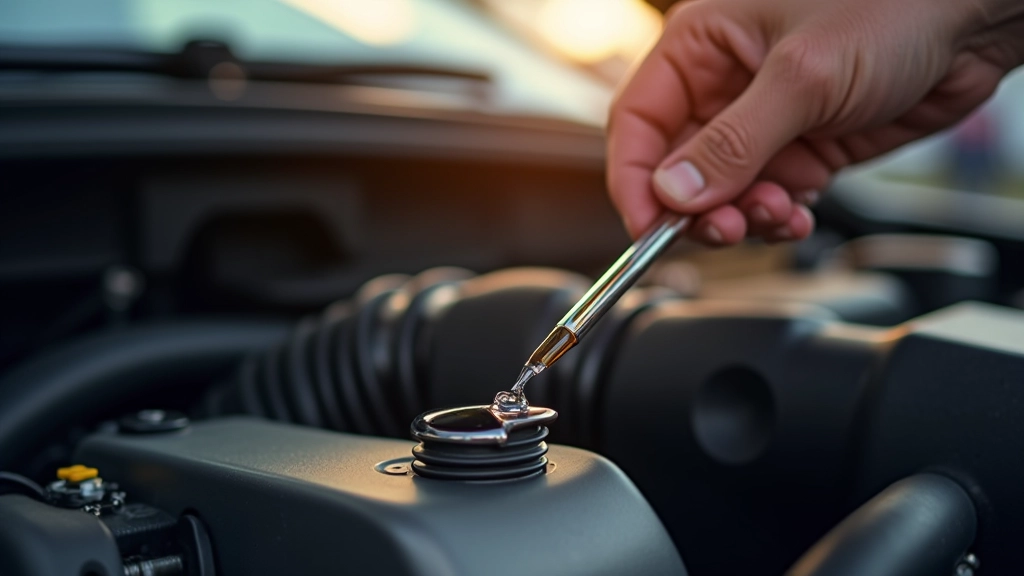
Before you can understand when you need an oil change, you need to know how to check your current oil level. It's simpler than you might think. Park on level ground, let the engine cool for a few minutes after driving, then pop the bonnet.
Find the dipstick — it usually has a bright yellow or orange handle. Pull it out completely and wipe it clean with a cloth or paper towel. Reinsert it fully, then pull it out again. Now you'll see where the oil level sits. There are two marks on the stick: minimum and maximum. Your oil should be between these lines. If it's below the minimum, top it up with the recommended grade for your car.
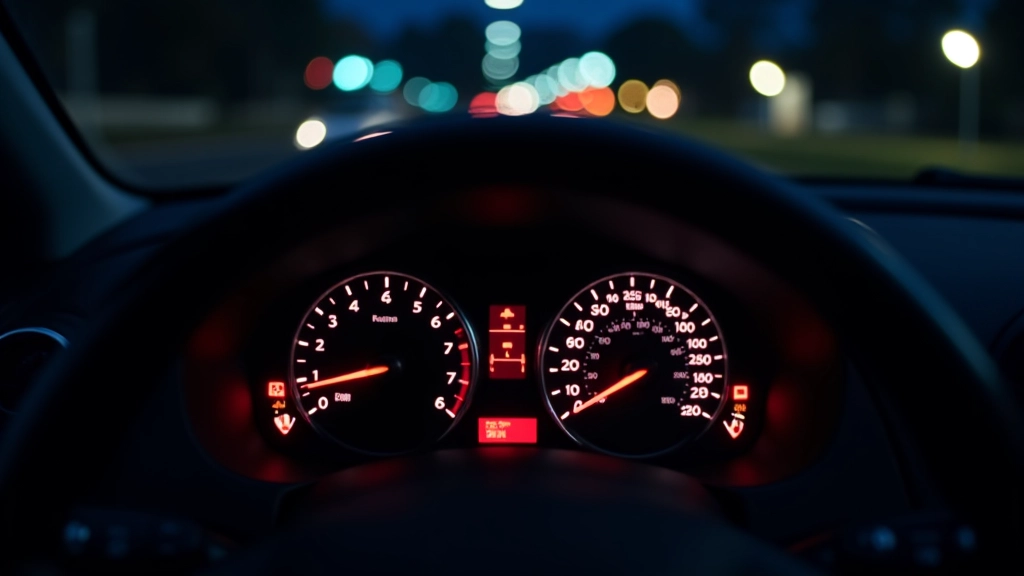
Check this monthly. It takes 30 seconds and could save you thousands in repair costs. Don't ignore the warning light on your dashboard either — that's telling you something needs attention.
When to Change Your Oil
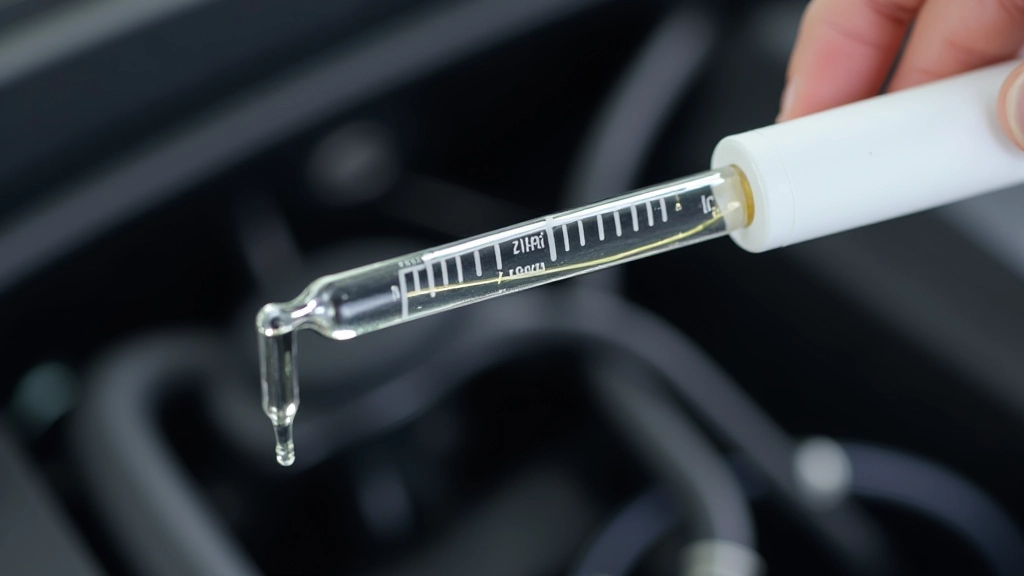
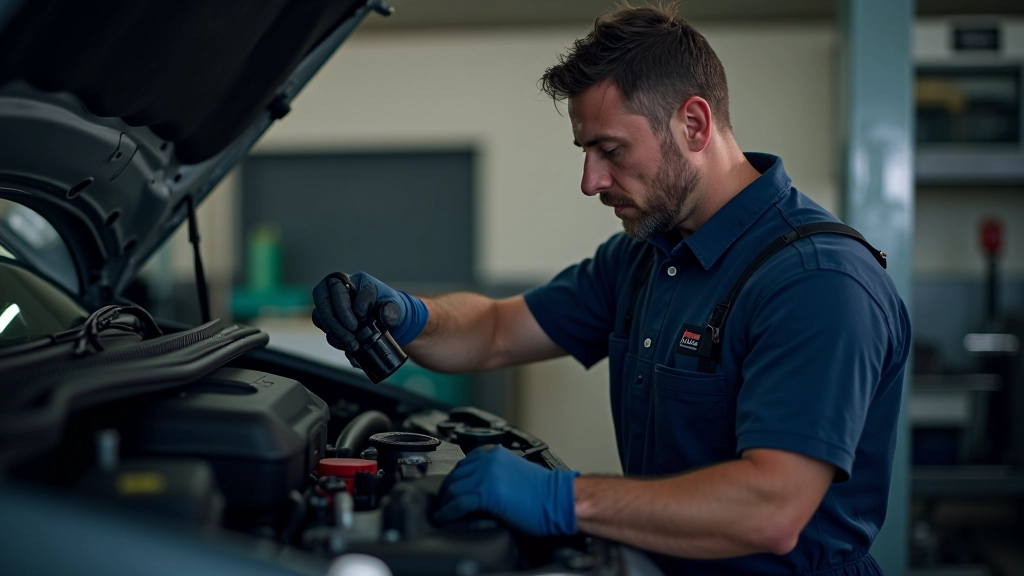
Oil changes are time-based or distance-based, whichever comes first. Check your manual for the exact interval. Generally, conventional oil should be changed every 5,000 kilometres or three months. Synthetic oil lasts longer — typically 10,000 to 15,000 kilometres or six months.
Don't just go by the mileage. If you do short journeys or lots of stop-start driving, your oil gets dirtier faster. Similarly, if your car sits idle for long periods, the oil can degrade. Keep a service record so you don't forget when the next change is due. Many cars now have service interval indicators on the dashboard that'll remind you.
If you're unsure, ask your mechanic. They'll look at your driving habits and recommend what's best for your specific situation.
Other Essential Fluids to Monitor
Oil isn't the only fluid keeping your car healthy. Here are the others you should check regularly.
Coolant
Keeps your engine at the right temperature. Check it when the engine's cold. Low coolant can lead to overheating and serious damage. Top up with the correct type for your car — don't mix different colours.
Brake Fluid
Essential for braking. It should be translucent. If it's dark or murky, it's absorbing moisture and needs flushing. Low brake fluid means your brakes won't work properly — this is serious and needs immediate attention.
Power Steering Fluid
Allows your power steering to work smoothly. Check when the engine's running and warm. If it's low, turning the wheel becomes harder and you might hear a whining noise.
Transmission Fluid
Lubricates and cools your gearbox. It should be red or pink. If it's brown or smells burnt, the transmission is overheating. This fluid typically doesn't need topping up between services — low levels suggest a leak.
Windscreen Wash
Not critical for your engine, but essential for safety. Keep your tank topped up, especially in winter when you'll use more. In cold weather, use winter-grade washer fluid that won't freeze.
Battery Fluid
Some older batteries have removable caps. If yours does, check the level occasionally. Most modern batteries are sealed, so there's nothing to check — just replace the whole battery when it fails.
Important Disclaimer
This article provides educational information about basic vehicle maintenance. It's not a substitute for professional mechanical advice. If you're unsure about any aspect of your vehicle's servicing or if warning lights appear on your dashboard, consult a qualified mechanic. Different vehicles have different requirements, and a professional assessment ensures your car stays safe and roadworthy.
Keeping Your Engine Healthy
Oil changes and fluid checks aren't glamorous, but they're fundamental to keeping your car reliable and safe. A few minutes each month checking levels and sticking to your service schedule will prevent costly breakdowns and extend your engine's life significantly.
Start with monthly checks. Set a reminder on your phone if it helps. When it's time for an oil change, either do it yourself if you're confident, or take it to a trusted mechanic. Either way, stay on top of it. Your car — and your wallet — will thank you.
Related Articles